Loading...
Serving Pueblo West, CO and surrounding areas. (719) 618-9604
Supreme Pueblo West Insulation brings spray foam, blown-in insulation, and crawl space insulation to Pueblo homeowners, with free estimates and a crew experienced in the city's older brick and craftsman housing stock as well as newer north-side builds.
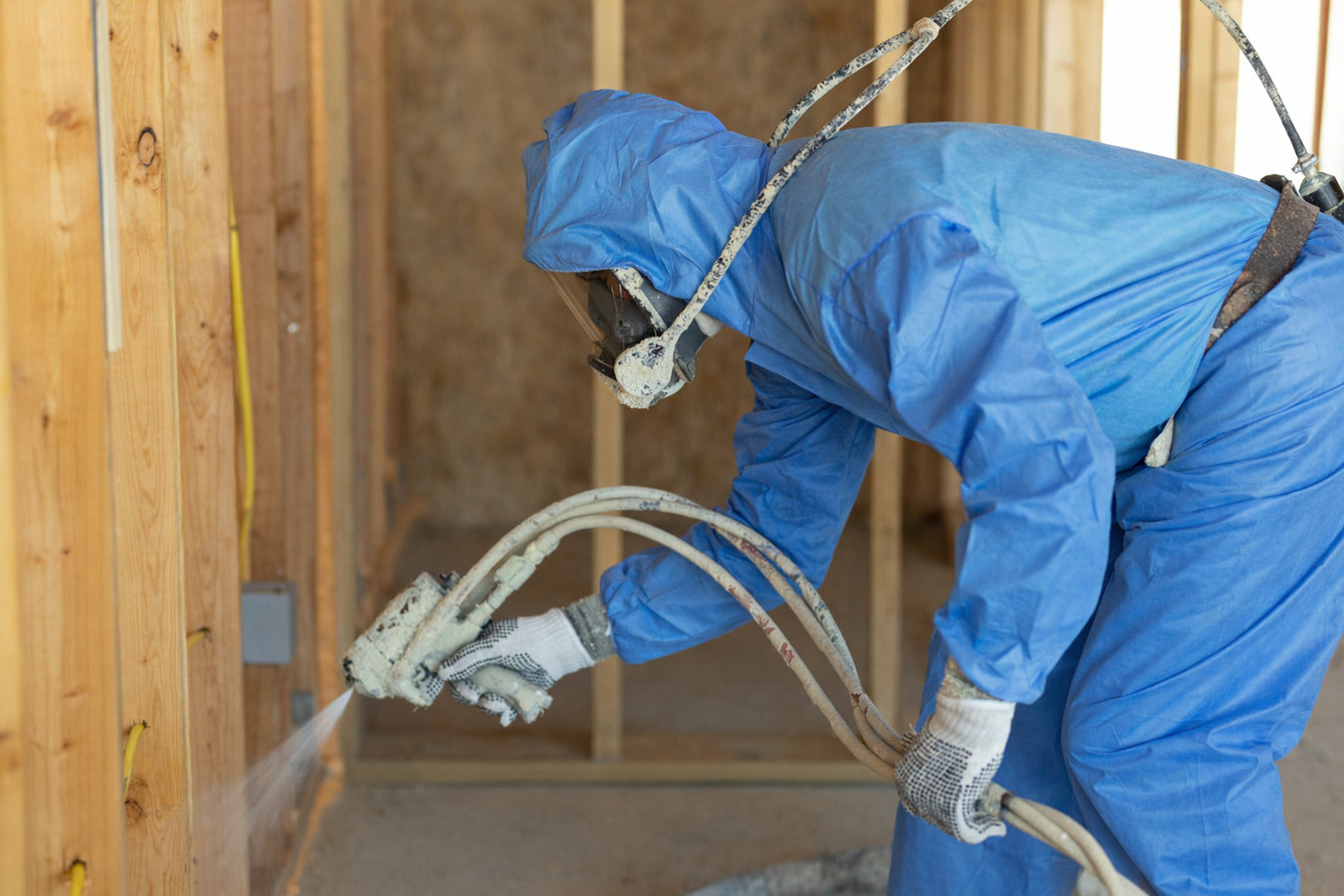
Pueblo's older homes have many pathways for conditioned air to escape - gaps that opened up over decades of freeze-thaw cycles in the clay soil. Spray foam bonds to the surface and fills those gaps as it cures, making it one of the most effective upgrades for pre-1960 construction. Learn more about our spray foam insulation service and whether it is the right fit for your home.
Blown-in is the most practical method for adding insulation depth in Pueblo's older attics, many of which have irregular framing from 1920s and 1930s construction. The material settles into every corner without requiring existing insulation to be removed first, which keeps the project faster and less disruptive.
Pueblo averages over 300 sunny days a year. Attics in brick Craftsman homes and bungalows soak up that heat and push it down into living spaces all afternoon. If the attic insulation is thin, compressed, or original to a home built before 1960, adding depth there is often the single highest-return improvement available.
Many of Pueblo's older homes sit on crawl spaces that have never been insulated or vapor-controlled. Cold air circulating in an uninsulated crawl space makes floors cold, stresses pipes in winter, and can draw moisture up into the structure. Proper insulation and vapor control under the home addresses all three problems at once.
Many Pueblo homes built before 1950 have wood-framed interior walls with little or no insulation in the cavity. Dense-pack blown-in can be installed through small access holes in the exterior or interior without requiring full wall removal, making it a practical approach for insulating walls in occupied older homes.
For Pueblo homeowners who want a full picture of their home's energy performance, we start with an assessment of every area - attic, walls, crawl space, and basement - and build a plan that addresses the highest-impact areas first so you get meaningful results without overcommitting upfront.
A large share of Pueblo's housing stock was built before 1960 - many homes date to the early 1900s when the city was growing rapidly around the steel industry. Those homes were built without modern insulation standards and with materials that are now decades past their useful life. The brick Craftsman bungalows and Victorian-era homes in neighborhoods like Bessemer and the older Eastside are charming and structurally solid, but they lose heat quickly in winter and absorb it aggressively in summer because they were simply never designed to be tight. Pueblo's clay soil also expands and contracts with the seasons, which opens up new gaps in foundations and framing over time - gaps that let conditioned air escape even in homes that were reasonably well-sealed when originally built.
The climate adds urgency to these issues. Pueblo is one of the sunniest cities in the United States, averaging more than 300 days of sunshine a year. That sun intensity degrades exterior materials faster than homeowners often expect - caulk, roofing, and painted wood surfaces break down more quickly here than in cloudier climates, and heat that builds in an under-insulated attic on a summer afternoon can push indoor temperatures well above what the air conditioning can manage. Freeze-thaw cycles in winter drive moisture into small cracks, which gradually widens them. A contractor who works in Pueblo regularly understands these patterns and looks for them as part of every assessment.
Our crew works in Pueblo regularly, and we understand the local conditions that affect insulation work here. Pueblo sits at the crossroads of I-25 and U.S. Highway 50 and is the regional hub for southern Colorado, which means we are on the road into the city several times a week. When work within Pueblo city limits requires a permit, we coordinate with the City of Pueblo Building and Safety Division - the office that handles permits for properties inside city boundaries, as distinct from the county office that covers unincorporated Pueblo West.
The homes we encounter in Pueblo span a wide range of eras. In the older neighborhoods near the Historic Arkansas Riverwalk and the Bessemer neighborhood, we regularly work on homes that were built in the 1910s and 1920s with no insulation in the walls at all. On the north side of the city and in areas near Eagleridge, we see homes from the 1990s and 2000s that are now reaching the age when their original insulation is starting to settle and underperform. Both situations are familiar to our crew, and the approach for each is different - which is why we always assess before we quote.
We also serve homeowners in Avondale, CO and other communities east and south of Pueblo. If you have neighbors who need insulation work done, we cover the broader region and are happy to coordinate multiple jobs in the same area.
Call us or send a message with a few details about your home and what you have noticed - rooms that are hard to heat, higher-than-expected bills, or drafts along the walls. We respond within 1 business day and set a time to come by.
We look at the attic, crawl space, and any other areas you want evaluated. For older Pueblo homes we pay particular attention to wall construction and attic framing, because the approach varies depending on what era the home was built. No charge for the visit - you get a written estimate before we leave.
Our crew comes out on the scheduled day with all materials. Most jobs in Pueblo are finished in one to two days. If spray foam is part of the job, you will need to plan to be out of the house for a few hours while the product cures and the space clears.
We walk you through the completed work, explain what was done and where, and answer any questions you have. If the project required a city permit, we handle the inspection coordination so you do not have to manage that step yourself.
We work on all types of Pueblo homes - from early 1900s brick bungalows to newer north-side construction. Call us or fill out the form and we will get back to you within 1 business day.
(719) 618-9604Pueblo is a city of about 111,000 people at the confluence of the Arkansas River and Fountain Creek in southern Colorado. The city built its identity around the steel industry - the Colorado Fuel and Iron mill drew thousands of workers in the late 1800s and early 1900s, and entire neighborhoods filled up quickly to house them. Those neighborhoods are still very much present today. Bessemer, the Eastside, and the blocks surrounding the old mill area are lined with brick homes and Craftsman bungalows that are now well over 100 years old. The Union Avenue Historic District and the area around the Historic Arkansas Riverwalk preserve the city's architectural character and draw visitors from across the region. Pueblo is also known for the Colorado State Fair, held here every August and September since 1872.
The city has a mix of older core neighborhoods and newer suburban development on the north and west sides. Homeownership rates are solid - about 57% of residents own their homes - and many long-term owners are at the stage where major maintenance is overdue on properties that have not seen significant upgrades in decades. The north side neighborhoods near Eagleridge, which were built out in the 1990s and 2000s, are reaching the point where their first major insulation upgrade makes sense. We serve all parts of Pueblo, as well as nearby Avondale, CO and the surrounding communities.
Stop drafts and energy loss by sealing air leaks throughout your home.
Learn MoreHigh-density foam providing superior insulation and moisture resistance.
Learn MoreProfessional vapor barrier installation to protect your structure.
Learn MoreWhether your home dates to the 1920s or was built in the 1990s, older insulation is costing you money every month. Call now and we will come out for a free assessment before the next heating or cooling season hits.