
Loading...
Serving Pueblo West, CO and surrounding areas. (719) 618-9604
Supreme Pueblo West Insulation is the insulation contractor Canon City homeowners call for spray foam, attic insulation, and crawl space insulation - with free estimates and a crew that understands the demands of the area's older housing stock and high-desert climate.
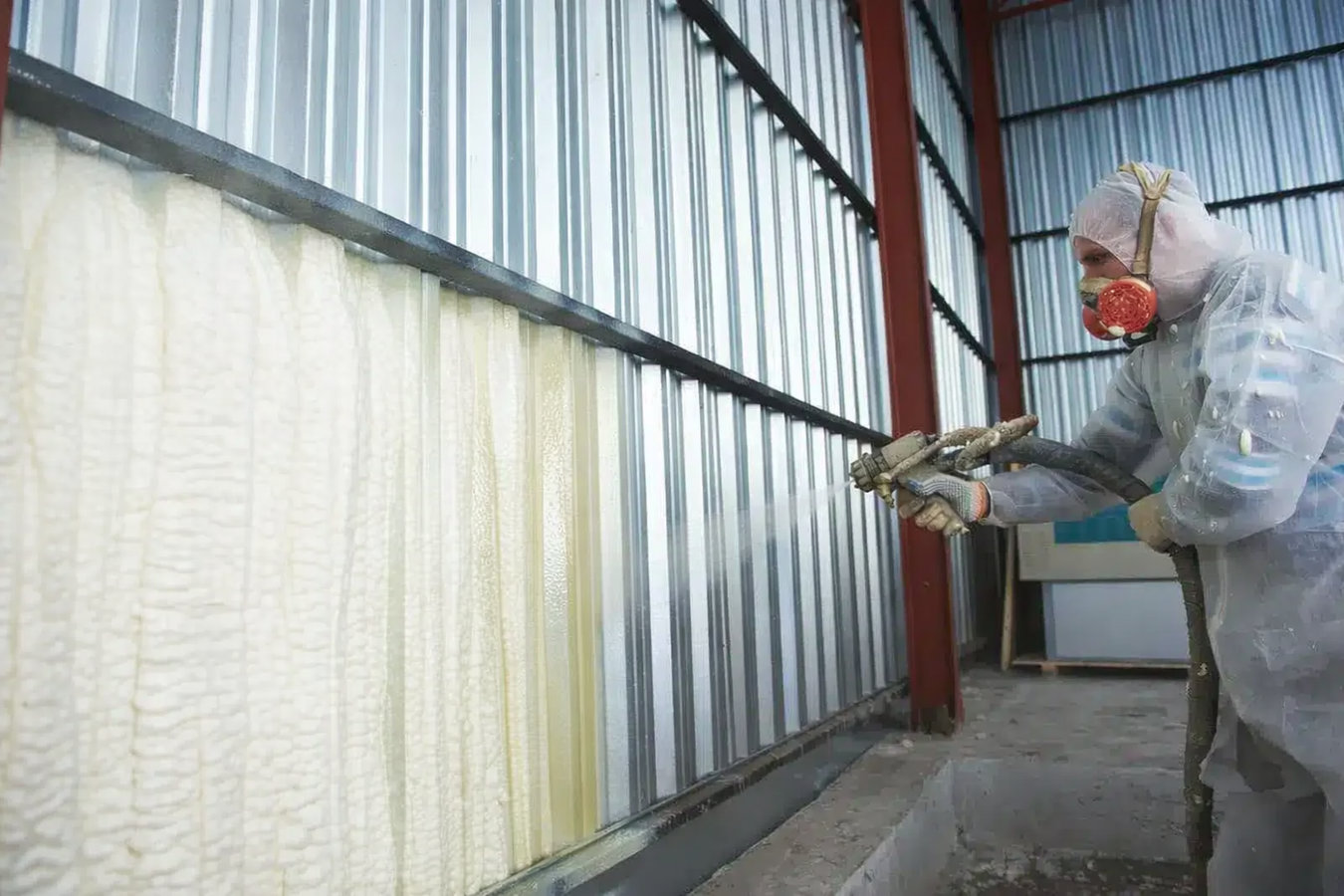
Canon City has a mix of older commercial buildings - storefronts, government facilities, and industrial spaces - many of which have never had a meaningful insulation upgrade. Our commercial insulation service handles buildings of all sizes and construction types, including the masonry and brick structures common in Canon City's downtown corridor.
Homes in Canon City built in the 1800s and early 1900s have dozens of air leakage points that standard batts cannot address - gaps at foundation sills, cracked mortar joints, and settling framing. Spray foam bonds directly to whatever surface it touches, sealing those openings while adding insulation value in a single step.
At over 5,300 feet, Canon City attics absorb intense sun all day and shed that heat down into living spaces through the afternoon and evening. Pre-war homes in particular often have minimal attic insulation - or none at all above the plaster ceilings - making the attic the highest-priority area for an upgrade.
Canon City winters bring hard freezes that drop temperatures well below zero, and uninsulated crawl spaces let that cold air circulate directly under living room floors. Insulating the crawl space - along with a vapor barrier against the ground - stops cold floors and protects plumbing from freezing during the area's most severe winter nights.
Blown-in cellulose or fiberglass is an effective and cost-efficient way to bring older Canon City attics up to current depth requirements without major disruption. It fills irregular spaces evenly, works around existing framing and mechanical runs, and can be installed in a single day on most homes.
In Canon City's century-old homes, air leaks are not just at windows and doors - they are at every plumbing and electrical penetration, every settling crack, and every gap in the original framing. Air sealing those paths before insulating ensures the insulation performs as intended and is not undermined by constant air exchange.
Canon City was incorporated in 1872, and many of its neighborhoods still carry homes built during the boom years of the late 1800s and early 1900s. These houses were constructed with the materials and methods of their era - plaster and lathe walls, single-pane windows, stone or brick foundations, and minimal insulation by any modern standard. At 5,332 feet in a semi-arid canyon setting, they face conditions that demand a lot from a building envelope: winter temperatures that drop below 0 degrees Fahrenheit, summer UV exposure intense enough to degrade exterior paint in a season, and freeze-thaw cycles that crack concrete and masonry every spring. Homes this old, in a climate this demanding, have usually accumulated a century of small air leaks that add up to significant heat loss.
The Rocky Mountain terrain around Canon City also creates localized wind patterns that push air through gaps a flat-prairie home would never experience. The Arkansas River running through town means some properties in lower-lying areas deal with seasonal moisture and drainage conditions that accelerate deterioration of crawl space insulation and vapor barriers. Canon City also has a notably high rate of owner-occupied homes - residents here tend to stay for decades and invest in maintenance. That means insulation jobs here often involve homes that have been carefully maintained in some ways but overlooked in others, requiring a contractor who can read the building's history and prioritize the right work.
Our crew works throughout Canon City regularly, and we understand the local conditions that affect insulation work here. When permits are required, we coordinate with the Canon City Building Department - a process our team is familiar with from repeated project submissions. The range of construction types we encounter in this city is wider than almost anywhere else in our service area: from original-footprint Victorian and Craftsman homes near downtown to mid-century ranches on the east side, to commercial masonry buildings along Main Street that have never been touched insulation-wise.
Canon City is defined by its canyon setting - the Arkansas River and the dramatic terrain of the Royal Gorge to the west are landmarks locals navigate by every day. The neighborhoods we work in most often run along the river corridor and on the hillside streets above downtown. We also serve homeowners near the Colorado Territorial Prison Museum on the west end of town and in the quieter residential streets toward the eastern edge of the city. This terrain - rocky, steep in places, with older street grids and tight lot access - is something our crew knows how to work around.
We also serve homeowners in nearby Florence, CO and throughout Fremont County. If you are in Penrose or anywhere between Canon City and Pueblo, we cover that stretch regularly and can usually schedule a visit within a day of your call.
Reach us by phone or through our contact form. We respond within one business day and can usually schedule a Canon City assessment visit within the same week.
We inspect your attic, crawl space, walls, and any other areas of concern. For older Canon City homes, this often reveals conditions - degraded original material, pest damage, missing sections - that change the project scope. The estimate we give you reflects what we actually find, not a generic square-footage calculation.
Our crew handles all materials, ventilation, and cleanup. You do not need to be present during the work, though we walk through everything with you at completion so you can see exactly what was installed and where.
After installation, we are available by phone if you have questions about the work or notice anything that does not seem right. Most Canon City homeowners feel the difference in comfort and draft reduction within the first heating or cooling cycle after installation.
We serve Canon City and all of Fremont County. Free estimates, no obligation, and a crew that knows how to work with older homes.
(719) 618-9604Canon City is the seat of Fremont County, Colorado, located in a dramatic canyon carved by the Arkansas River at roughly 5,300 feet above sea level. Founded in the 1860s and incorporated in 1872, the city grew rapidly during the mining and agricultural boom years of the late 1800s and has maintained a stable population of around 16,000 to 17,000 ever since. The housing stock reflects that history directly: many neighborhoods close to downtown feature homes built between 1880 and 1940, with Victorian-era detailing, sandstone and brick foundations, and original wood framing that has stood for well over a century. These are homes that were built to last - and with the right maintenance, they do - but insulation was not a priority when they were constructed, and upgrading it now makes a meaningful difference in comfort and energy costs. The city sits at the base of the Royal Gorge region, one of the most recognizable geographic features in southern Colorado.
The city has a strongly owner-occupied character - corrections employment at the cluster of state and federal facilities near town provides stable income for many long-term residents who invest in their properties. The commercial district along Main Street includes well-preserved 19th-century buildings, some of which house local businesses that have been there for generations. Newer residential development exists on the eastern edges of the city, but the core of Canon City is an older, dense grid of single-family homes on modest lots. We work on homes throughout that grid and in the newer areas alike. Homeowners in nearby Penrose, CO and the surrounding Fremont County communities will find that we cover the full corridor between Canon City and Pueblo regularly.
Stop drafts and energy loss by sealing air leaks throughout your home.
Learn MoreHigh-density foam providing superior insulation and moisture resistance.
Learn MoreProfessional vapor barrier installation to protect your structure.
Learn MoreOlder homes lose heat fast - the sooner you upgrade, the sooner you stop paying for it on every energy bill.