
Loading...
Serving Pueblo West, CO and surrounding areas. (719) 618-9604
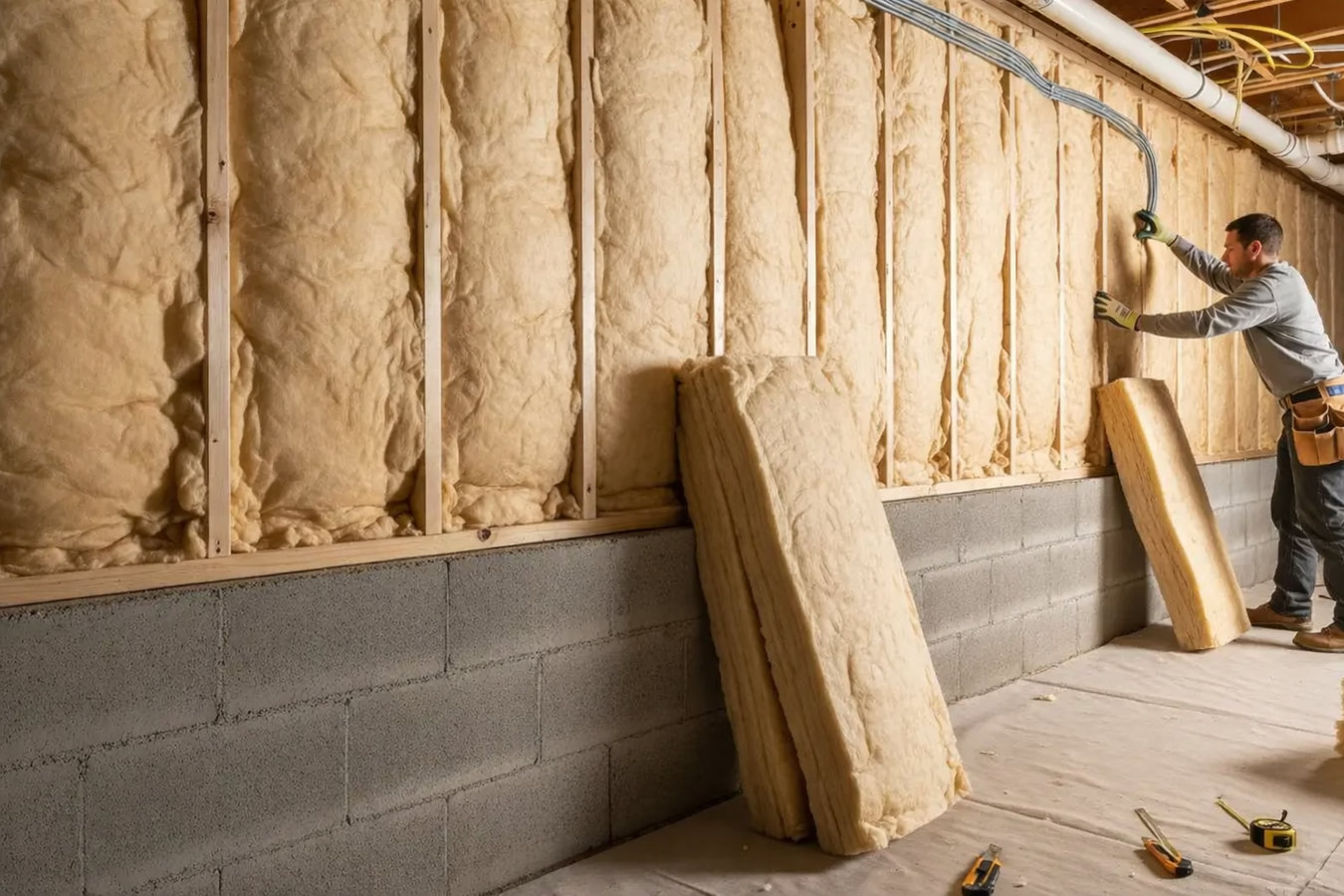
An uninsulated basement is one of the biggest reasons Pueblo West homes lose heat in winter. We assess your space, check for moisture, and install the right solution - with results you feel the same season.
Basement insulation in Pueblo West creates a thermal barrier that keeps heat inside your home in winter and blocks summer heat from creeping in from below - most installation jobs take one to two days and the difference shows up clearly in that first heating season.
Without insulation, your basement acts like a cold sponge that pulls warmth out of the rest of the house. Rooms above an uninsulated basement stay cold no matter how long the furnace runs, and your heating system works overtime trying to make up for that constant loss. Many Pueblo West homes were built between the 1970s and early 2000s under insulation standards that are well below what is expected today - if your home is from that era, there is a good chance the basement has never been properly addressed.
Basement insulation works even better when paired with air sealing. If you are also thinking about closed-cell foam insulation, that material insulates and seals air gaps at the same time - making it a strong choice for basement walls and rim joists in older homes.
If floors in rooms directly above your basement feel noticeably cold in winter - even after the furnace has been running - heat is escaping through an uninsulated basement ceiling. In Pueblo West, where temperatures can drop well below freezing overnight, this is one of the most common complaints before homeowners get their basement insulated.
If your gas or electric bill keeps rising but your habits have not changed, your home may be losing heat through the basement. Pueblo West's long winters mean your furnace works hard from October through April - and an uninsulated basement can account for a significant share of that energy loss.
Pueblo West's expansive soils shift with seasonal moisture changes, and those shifts can open small cracks in basement walls. If you notice damp spots, white chalky deposits on the concrete, or a musty smell after a rain, moisture is getting in. This needs to be addressed before insulating - but it is also a clear sign your basement needs attention.
Walk into your basement on a cold January day. If it feels dramatically colder than the main floor - not just a little cooler, but genuinely cold - the space is not insulated, or the insulation that is there has failed. A properly insulated basement should feel noticeably more comfortable than an uninsulated one.
Every basement insulation job starts with an honest assessment of the space. We check the walls, ceiling, and any existing insulation, and we look specifically for moisture before recommending a material or starting work. Depending on your basement and how you use it, we can insulate the walls - which keeps the basement itself warmer and is the right choice if you use the space for living or storage - or the ceiling above it, which is simpler and works well for unfinished basements where you mainly want to protect the floors above. We also address crawl space insulation when the two areas connect, which is common in older Pueblo West homes.
For material, we use rigid foam boards or spray foam depending on your basement layout, moisture history, and budget. Rigid foam is installed without fumes and works well for straightforward layouts. Spray foam seals gaps as it insulates - a strong choice in older homes with cracks around pipes and rim joists. The U.S. Department of Energy provides guidance on basement insulation approaches for cold climates like ours.
Best for homeowners who use the basement as living space, an office, or temperature-sensitive storage.
A simpler approach for unfinished basements - warms the floors above without conditioning the basement itself.
Targets the framing gap where the floor meets the foundation - one of the most common cold-air entry points in older homes.
For homeowners who have noticed dampness, cracks, or a musty smell and want to know what they are dealing with before insulating.
Pueblo West sits at roughly 4,700 feet elevation, and winters here regularly send nighttime temperatures into the single digits. That kind of cold puts real pressure on an under-insulated basement - heat escapes fast, and your furnace has to work overtime to compensate. The community was largely developed from the 1970s onward, and many homes were built when insulation standards were lower than they are today. If your home was built before the mid-2000s, it is worth having a contractor take a look - what is there may not be doing much. Homeowners in Beulah Valley and Colorado City face very similar conditions and are part of the service area we cover.
The expansive clay soils common throughout Pueblo County also create a specific challenge. These soils swell when wet and shrink when they dry, which can open small cracks in basement walls over time. Those cracks are not just a moisture risk - they are also air leaks that let cold outside air into your home. Addressing them before insulating, rather than covering them over, is one of the things that separates a long-lasting installation from one that causes problems down the road. Pueblo West's semi-arid climate actually works in your favor below grade - the dry conditions reduce ambient moisture risk compared to wetter parts of Colorado, making this a good environment for long-term insulation performance when the job is done right.
We respond within 1 business day. We will ask about your basement's size, whether it is finished or unfinished, and whether you have noticed any moisture issues. This helps us come prepared with the right materials and questions.
A contractor walks through your basement and checks the walls, ceiling, any existing insulation, and signs of moisture. This visit typically takes 30 to 60 minutes. We explain what we find and why it matters before recommending anything - no pressure.
Before we arrive, clear the basement of stored items so we have full access to the walls and ceiling. If any moisture issues were found during the assessment, those repairs should be completed first. The more accessible the space, the faster and cleaner the job will go.
Most basement insulation jobs complete in one day, sometimes two for larger homes. If spray foam is used, we will tell you in advance how long to allow for ventilation. Before we leave, we walk you through the finished work so you can see it, ask questions, and feel confident the job was done right.
We will walk through your basement, check for moisture, and give you a written estimate - no obligation, no sales pitch.
(719) 618-9604We inspect your basement walls and floor for signs of water intrusion before a single piece of insulation is installed. Sealing moisture in is one of the most common and costly mistakes in basement work. We check first so you are not paying to create a future problem.
You get a free written estimate before any work starts, and the crew in your home is trained in current installation standards and safety procedures. We document every job so you have a clear record of what was done.
Most Pueblo West homes were built between the 1970s and early 2000s, and we work in them every week. We know the common basement layouts, the soil movement patterns that cause wall cracks, and the insulation gaps that show up most often in homes from that era.
You receive a written breakdown of materials and labor before we schedule installation. If a permit is required - for example, if you are finishing the basement - we tell you upfront and handle the permit process. No surprises after the fact.
Basement insulation is one of the highest-impact improvements a Pueblo West homeowner can make before winter arrives. We combine a thorough pre-installation check with materials suited to your specific basement - so the work lasts and you can feel the difference in the first cold month after it is done.
High-performance rigid foam that insulates and seals air in one application - ideal for basement walls and rim joists.
Learn MoreProtecting the crawl space floor and walls reduces cold-floor problems in rooms above and cuts moisture risk.
Learn MorePueblo West temperatures drop fast - get your home ready before the first hard freeze and start saving on your heating bill this season.